Wellness Management in Geriatrics through Ayurveda: A Holistic Approach to Healthy Aging

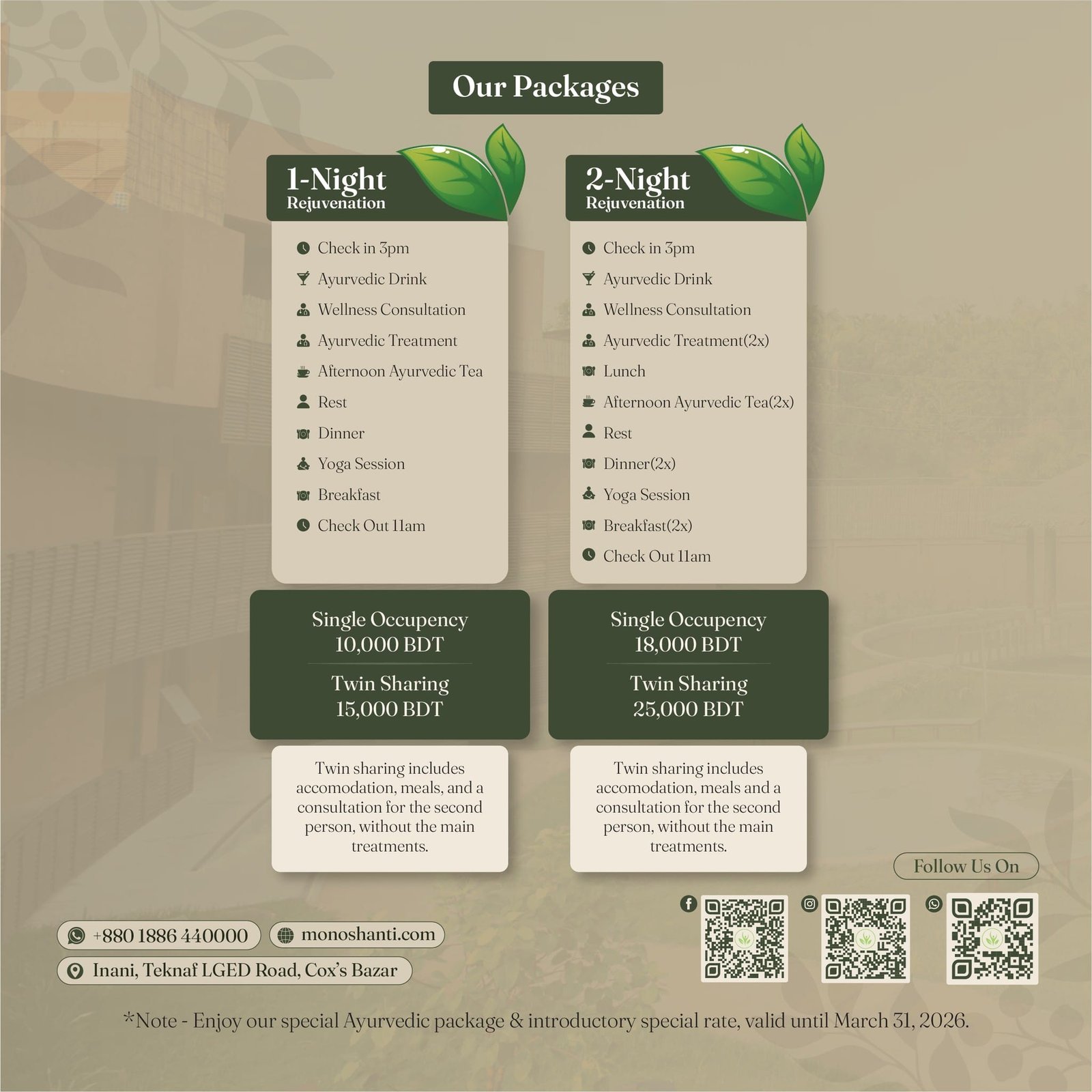
Aging is a natural process, but with it comes a unique set of physical, mental, and emotional challenges. As modern medicine focuses on managing diseases, Ayurveda—the ancient Indian system of holistic healing—offers a personalized and preventive approach, especially suited for geriatric wellness. At Monoshanti Ayurveda Wellness Retrat , we understand that aging gracefully means more than just surviving—it means thriving with vitality, independence, and peace of mind. Here’s how Ayurveda can play a powerful role in wellness management for the elderly. Understanding Geriatric Wellness in Ayurveda In Ayurveda, old age is governed by the Vata dosha, which is characterized by dryness, instability, and decline in bodily strength. As Vata increases naturally with age, seniors may experience joint issues, insomnia, anxiety, poor digestion, and reduced immunity. Ayurveda doesn’t just treat symptoms—it nourishes the whole being, aiming to balance doshas, boost immunity, improve digestion, and enhance mental clarity. Key Ayurvedic Principles for Elderly Wellness Dinacharya (Daily Routine) A gentle, structured routine helps calm the mind and body. Ayurvedic practitioners recommend: Waking up before sunrise Gentle oil massage (Abhyanga) to lubricate joints and calm Vata Herbal teas to stimulate digestion Light yoga and breathing exercises Ahara (Diet) The right diet is crucial. For seniors: Warm, well-cooked, easily digestible foods are ideal Herbs like ginger, turmeric, ashwagandha, and triphala support digestion, immunity, and detox Avoid raw, cold, and dry foods which aggravate Vata Rasayana Therapy (Rejuvenation) Ayurveda offers special rejuvenation therapies for seniors, known as Rasayana Chikitsa, which: Strengthen tissues (dhatus) Improve memory, vitality, and longevity Enhance immunity and overall well-being Herbs like Ashwagandha, Brahmi, Shatavari, and Amalaki are often recommended in Rasayana therapy. Panchakarma: Detox for the Elderly Panchakarma is a deeply cleansing, therapeutic procedure in Ayurveda. For geriatric clients, it is customized and milder to: Remove toxins gently Balance doshas Improve joint flexibility Enhance metabolism and mental clarity At Kumudini, we offer individualized Panchakarma programs with careful supervision and post-treatment dietary support to ensure safety and effectiveness. Addressing Common Geriatric Conditions Ayurveda provides effective management strategies for: Osteoarthritis and Joint Pain – through medicated oils, Abhyanga, and anti-inflammatory herbs Cognitive Decline and Insomnia – with Brahmi, Shankhpushpi, meditation, and nasya therapy Constipation and Poor Digestion – with dietary adjustments and herbal laxatives like triphala Depression and Anxiety – through holistic therapies, sattvic diet, and daily self-care rituals Integrating Yoga and Naturopathy At our center, we integrate Yoga and Naturopathy with Ayurveda to provide comprehensive wellness. Yoga asanas help maintain flexibility, while meditation and pranayama improve mental focus and reduce anxiety. Naturopathy therapies like hydrotherapy and mud packs complement Ayurvedic care for the elderly. Family Support and Counseling We believe geriatric care is a shared responsibility. Our programs often include family counseling, diet and lifestyle education, and support for caregivers to create a nurturing home environment for the elderly. Conclusion: Aging Gracefully with Ayurveda Aging need not mean decline. With Ayurveda, seniors can live a life of dignity, vitality, and independence. At Monoshanti Ayurveda Wellness Retreat , we are committed to empowering our elderly clients with personalized, holistic wellness programs. Let Ayurveda help you or your loved ones experience the art of graceful aging.
Finding Your Light: Managing Depression – A Concise Guide (with Food & Drinks)
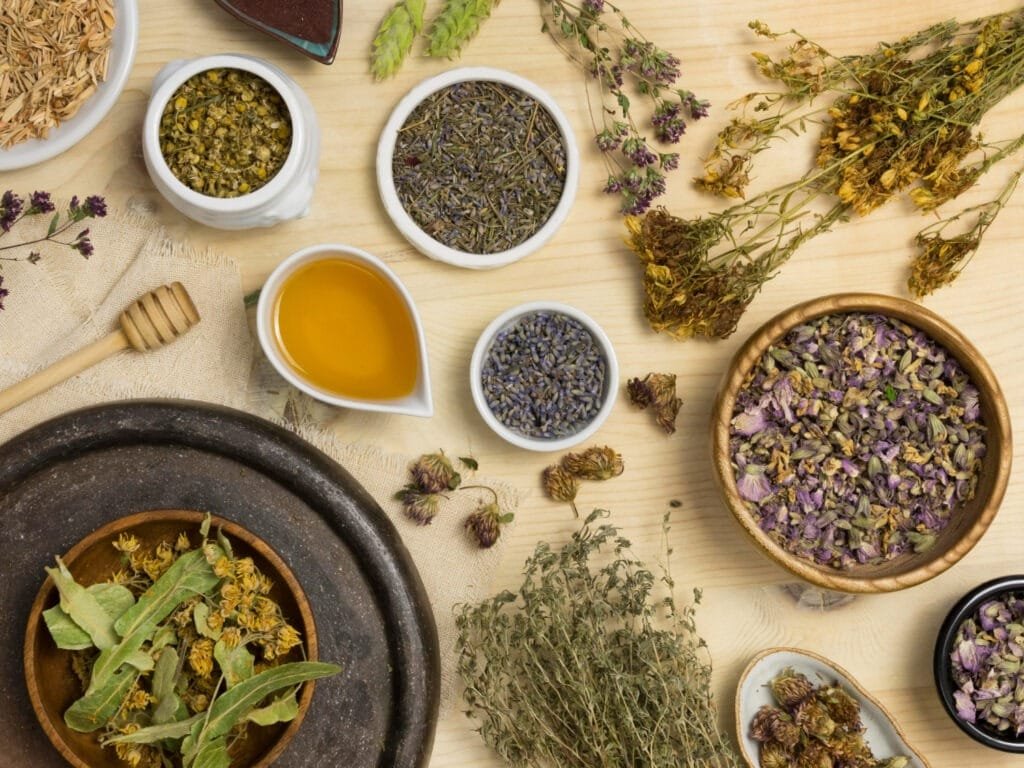
Depression is a complex mood disorder. Seek professional help for diagnosis and treatment. Lifestyle changes and Ayurvedic practices, including mindful food and drink choices, can offer valuable support. Lifestyle Management: Move Your Body: Regular exercise boosts mood. Nourish Well (Food & Drinks): Focus On: Fruits (berries, bananas), vegetables (leafy greens, colorful peppers), whole grains (oats, quinoa), lean protein (fish, lentils), healthy fats (avocado, nuts), water, herbal teas (chamomile, lemon balm). Limit: Processed foods, sugary drinks, excessive caffeine and alcohol. Sleep Smart: Consistent 7-9 hours of quality sleep. Manage Stress: Practice relaxation techniques. Connect Socially: Nurture relationships and avoid isolation. Be Present: Practice mindfulness and gratitude. Find Joy: Engage in enjoyable activities. Ayurvedic Measures (Food & Drinks): Balance Vata: Foods: Warm, cooked foods (soups, stews), sweet (in moderation), sour, and salty tastes, healthy fats (ghee, sesame oil), nuts, seeds. Drinks: Warm milk with spices (cardamom, nutmeg), herbal teas (ginger, cinnamon). Limit: Cold, dry, and processed foods. Balance Pitta: Foods: Cooling foods (cucumber, watermelon, coconut), sweet, bitter, and astringent tastes. Drinks: Coconut water, cooling herbal teas (mint, coriander). Limit: Spicy, oily, and fermented foods in excess. Balance Kapha: Foods: Light, warm, and dry foods, pungent, bitter, and astringent tastes. Drinks: Ginger tea, black pepper tea. Limit: Heavy, oily, and sweet foods. Herbal Support (Consult Practitioner): Ashwagandha, Brahmi (often taken with milk or ghee), Jatamansi, Shankhapushpi. Yoga & Meditation: Calm the mind and reduce stress. Key Takeaway: Combine professional help with lifestyle adjustments, including mindful food and drink choices, and complementary approaches like Ayurveda for holistic depression management. Be patient and celebrate progress.
Women’s Wellness Through Ayurveda: A Holistic Approach to Health and Balance
In today’s fast-paced world, women often juggle multiple roles—professionals, caregivers, mothers, daughters—frequently putting their own health and well-being last. Ayurveda, the ancient science of life and healing, offers a timeless and holistic approach to women’s wellness that addresses the mind, body, and spirit. Rooted in nature and personalized care, Ayurveda provides gentle yet powerful solutions to support women through every stage of life. Understanding Ayurveda and Women’s Health Ayurveda emphasizes balance—especially among the three doshas: Vata, Pitta, and Kapha. Each woman has a unique constitution (Prakriti), and imbalances in doshas can lead to various health issues. Hormonal changes, stress, poor diet, and irregular lifestyles can disturb this natural balance, leading to menstrual irregularities, infertility, PCOS, thyroid problems, and menopausal symptoms. Ayurveda focuses not just on treating disease but on preventive care, enhancing vitality, emotional resilience, and overall well-being. Key Ayurvedic Practices for Women’s Wellness Balanced Diet (Ahara) Ayurveda recommends eating fresh, seasonal, and sattvic (pure) foods tailored to your dosha. Nutrient-rich herbs and foods like ashwagandha, shatavari, ghee, sesame seeds, turmeric, and dates are highly beneficial for hormonal balance and reproductive health. Daily Routine (Dinacharya) Following a structured daily routine helps stabilize biological rhythms. This includes: Waking up early (before sunrise) Oil pulling and abhyanga (self-massage with warm herbal oils) Yoga and meditation Eating meals at regular intervals Sleeping by 10 PM Herbal Support Ayurveda offers powerful herbs to support women’s unique needs: Shatavari: The queen of herbs for women; supports reproductive and hormonal health. Ashoka: Useful in regulating menstrual cycles and easing discomfort. Lodhra: Strengthens the uterus and supports postnatal recovery. Guduchi and Amla: Boost immunity and detoxification. Panchakarma Detox Therapies Regular detoxification helps clear toxins (ama) from the body and rejuvenates tissues. Panchakarma therapies, such as Abhyanga, Swedana, Basti, Nasya, and Udvartana, are personalized based on age, health condition, and seasonal needs. These are particularly helpful in managing: PCOS and menstrual disorders Infertility Menopausal symptoms Stress and fatigue Yoga and Meditation Gentle yoga postures help improve circulation, reduce stress, and balance hormones. Meditation and pranayama (breathing techniques) calm the mind, reduce anxiety, and improve emotional resilience. Ayurveda Across the Phases of a Woman’s Life Menstrual Health Ayurveda promotes regular cycles through lifestyle, diet, and herbs. It addresses issues like painful periods, heavy bleeding, or missed cycles with natural remedies and detox routines. Fertility and Pregnancy Ayurveda prepares the body for conception through fertility-enhancing therapies, detox, and nourishing treatments. During pregnancy, gentle therapies and herbal support promote a healthy pregnancy and natural delivery. Menopause and Beyond Ayurveda provides relief from hot flashes, mood swings, insomnia, and joint pain with cooling herbs, calming practices, and rejuvenating therapies like Rasayana Chikitsa. Embracing Wellness at Kumudini Ayurveda Wellness Center At Mounshanti Ayurveda, we believe in empowering women to take charge of their health naturally. Our experienced Ayurvedic physicians offer personalized consultations, Panchakarma therapies, lifestyle guidance, and herbal solutions tailored to every stage of a woman’s life. Whether you seek hormonal balance, stress relief, fertility support, or graceful aging, Ayurveda provides a time-tested path to radiant health, vitality, and inner peace. Reclaim your balance. Reconnect with your inner self. Rejoice in the wisdom of Ayurveda.
Healing Lifestyle Disorders: A Holistic Path to Wellness
In today’s fast-paced world, many of us find ourselves caught in a whirlwind of work pressure, digital distractions, poor eating habits, and sedentary lifestyles. These modern habits, though convenient, come with a hidden cost — Lifestyle Disorders. Lifestyle Disorders (LSDs) such as obesity, diabetes, hypertension, PCOS, insomnia, anxiety, and digestive issues have become alarmingly common. What makes them different from other diseases is that they are largely preventable and reversible with conscious changes in our daily routine. So, how can we reclaim our health naturally? Let’s explore how Ayurveda, Yoga, and simple lifestyle changes can offer a transformative solution. 🌟 What Are Lifestyle Disorders? Lifestyle disorders are health problems that arise due to unhealthy daily habits such as: Poor diet (processed foods, excess sugar, irregular meals) Lack of physical activity Chronic stress and inadequate sleep Excessive screen time and sedentary behavior Substance abuse (tobacco, alcohol, etc.) These habits disrupt our body’s natural rhythm, weaken immunity, and disturb hormonal balance. 🌿 Ayurveda’s Wisdom on Lifestyle Disorders Ayurveda, the ancient science of life, identifies lifestyle disorders as “Prajnaparadha” — the mistake of the intellect. It highlights that most diseases begin due to imbalance in our daily habits and routines (Dinacharya & Ritucharya). 🛑 Common Lifestyle Disorders in Ayurveda: Medoroga (Obesity) Madhumeha (Type 2 Diabetes) Amlapitta (Acidity/GERD) Raktachapa (Hypertension) Anidra (Insomnia) Stress and Anxiety (Manasika Rogas) ✅ Ayurvedic Approach: Personalized detox therapies (like Panchakarma) Daily & seasonal routines (Dinacharya & Ritucharya) Herbal formulations and Rasayanas Sattvic diet & mindful eating Marma therapy, Abhyanga (oil massage), and meditation 🧘♀️ Role of Yoga & Naturopathy A healthy mind supports a healthy body. Practices like Yoga, Pranayama, and Meditation are powerful tools to balance the nervous system, reduce stress, and enhance hormonal health. Yoga for Lifestyle Disorders: Surya Namaskar – For metabolism and cardiovascular health Pranayama – For stress, anxiety, and oxygenation Asanas like Vajrasana, Trikonasana, Bhujangasana – For digestion, flexibility, and circulation Meditation – For mental clarity and emotional balance 🍎 7 Simple Tips for a Healthier Lifestyle Start your day early with mindfulness – Avoid screens for the first hour. Follow a regular meal and sleep schedule – Circadian rhythm matters. Eat fresh, seasonal, and balanced meals – Avoid processed and fast foods. Hydrate with warm water and herbal teas – Boost digestion and detox. Move daily – Walk, stretch, or practice yoga for at least 30 minutes. Practice deep breathing and relaxation – Especially after work. Take digital breaks – Protect your eyes and brain from overload.